Signage plays a key role in how a business presents itself. From shopfront signs and vehicle graphics to promotional displays and construction signs, effective signage can attract attention, reinforce a brand and communicate information quickly.
But what goes into producing these signs?
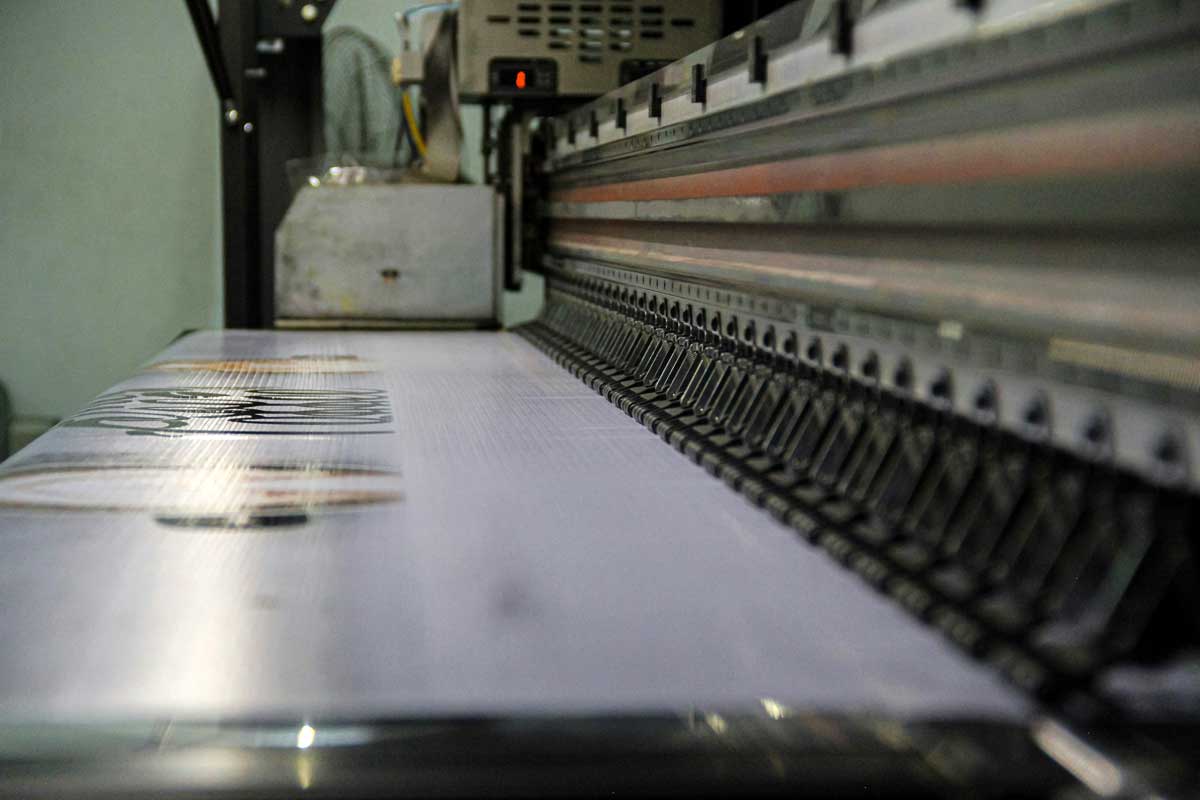
Digital printing has become an important part of modern signage production, offering greater flexibility in colours, imagery, materials and quantities. For businesses seeking signage in Adelaide, digital printing provides a practical way to produce everything from simple promotional signs to detailed, full-colour graphics.
What is Digital Printing for Signage
Digital printing transfers a digital image directly onto a printable material, such as film or vinyl, which can then be applied to a sign substrate. Depending on the application, digital printing can be used with materials such as vinyl, corflute, mesh, fabric, acrylic and aluminium composite materials.
Unlike some traditional printing methods, digital printing does not require printing plates before production. This makes it particularly suited to customised signage, short print runs and projects requiring a relatively fast turnaround. Modern digital printers can also reproduce detailed photographs, logos, gradients and patterns at large scale while maintaining resolution and clarity.
How is Digital Printing used to produce Signage?
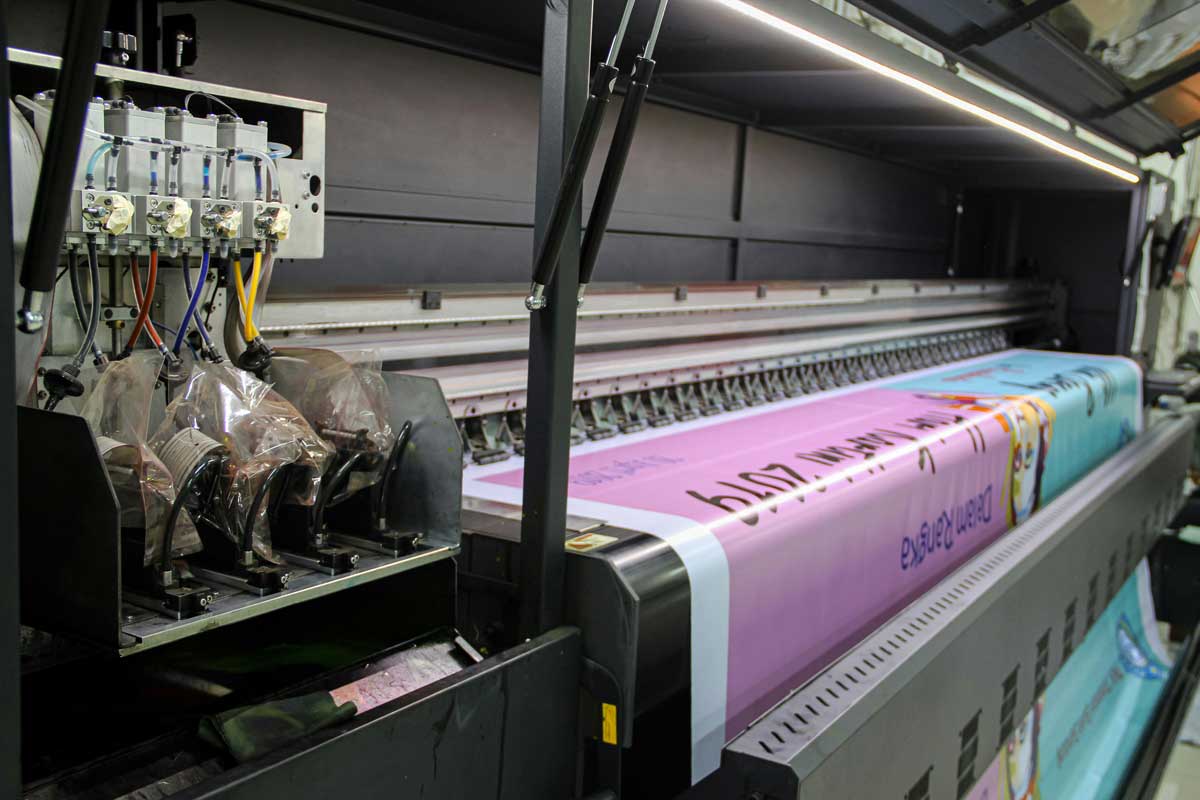
Digital printing integrates into signage in several ways. Large-format flatbed printers produce graphics directly on rigid substrates such as boards and panels. Artwork can also be printed on self-adhesive vinyl or film for application to signage, especially useful for vehicle, wall, and window graphics. Additionally, digital printing creates banners, posters, decals, exhibition graphics, and promotional displays. These printed parts can be combined with cutting, mounting, laminating, and framing.
Benefits of Digital Printing for Signage
High-quality, detailed graphics
One of the big advantages that digital printing brings to signage companies in Adelaide is the quality of the finished image. Modern digital printers can reproduce fine details, photographic imagery, gradients and complex branding with impressive clarity. This is valuable when signage needs to present a business professionally.
Vibrant and consistent colour
Colour is usually among the first aspects people notice on a sign. Digital printing enables the inclusion of a wide spectrum of colours and intricate images in signage designs. This helps businesses craft signs that stand out and reflect their brand colours.
Consistency is just as vital. A company might need wall graphics, directional signs, window decals, and outdoor displays within the same area. Digital printing ensures these components share a cohesive visual identity.
Greater design flexibility
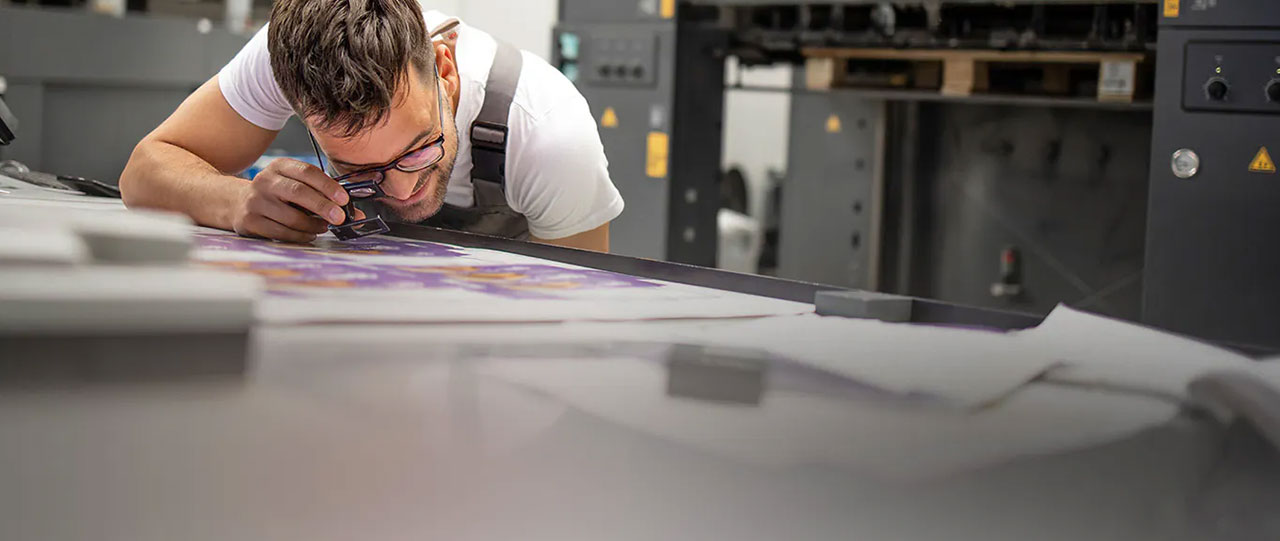
Digital printing offers considerable freedom in artwork. Photographs, illustrations, detailed logos, gradients, patterns and multiple colours can all be incorporated into a single design. A sign does not have to be limited to basic text or a small colour palette.
This is useful when signage needs to do more than identify a business. A digitally printed sign could promote a product, showcase a photograph, communicate an event message or incorporate detailed brand artwork.
Suitable for customised and short runs
A signage project rarely requires hundreds of identical signs. A business might need one shopfront graphic, several internal signs, or a small number of promotional displays. Digital printing is useful when multiple signs require different information while keeping the same overall design.
Efficient production
Because digital printing works directly from digital artwork, the production process can be streamlined, as there is no need to create printing plates.
After artwork approval and material selection, printing can proceed smoothly to production. This process is especially helpful when a business faces a tight deadline, like opening a new location, hosting an event, or launching a promotional campaign.
Versatility across different materials
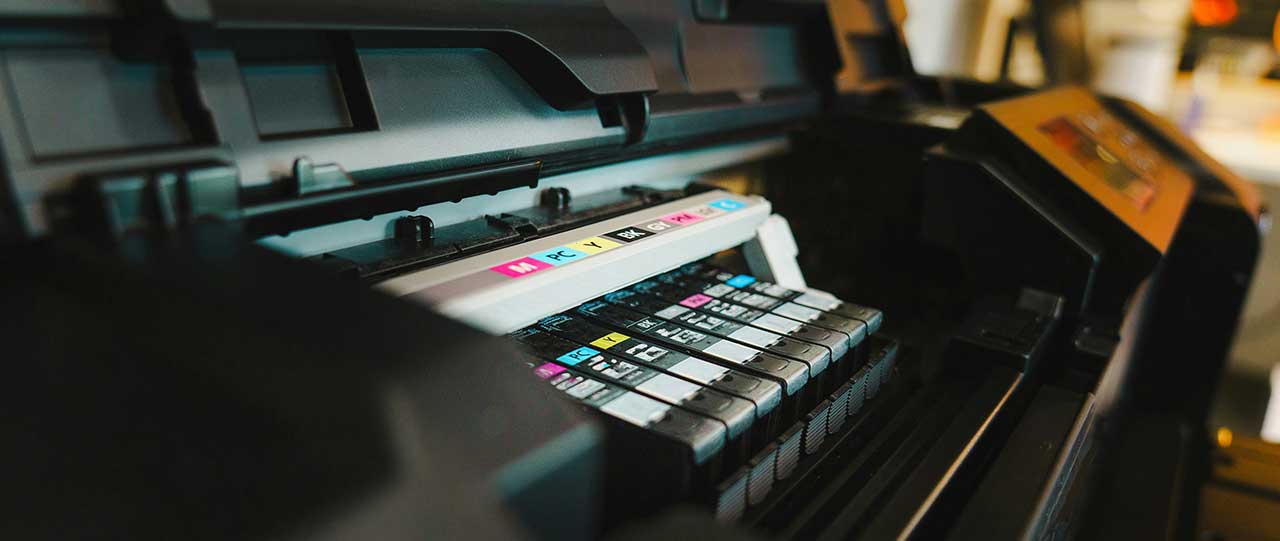
Digital printing is versatile and suitable for various signage materials and applications, depending on the printer, inks, and production methods, making it a practical choice for businesses with different signage needs.
Common applications include:
- Corflute signs
- Vinyl signage
- Mesh banners
- Pull-up banners
- Posters
- Window graphics
- Wall graphics
- Vehicle graphics
- Exhibition displays
- Promotional and directional signage
Digital Printing for Corflute Signage
Corflute printing is a particularly common application for digitally printed signage.
Corflute is a lightweight, corrugated polypropylene material widely used for temporary and semi-permanent signs. It is popular for real estate signage, construction signs, event displays, promotional signage and directional signs.
Digital printing allows detailed graphics and full-colour artwork to be reproduced on corflute, rather than restricting designs to basic text or simple colours. Depending on the desired outcome, the printing can go directly onto the corflute or be printed onto an adhesive vinyl substrate before being applied to the corflute.
It can also make it easier to produce variations of the same design. A construction company, for example, could use consistent branding across a series of site signs while changing the information on each individual panel.
Creating Better Signage with Digital Printing in Adelaide
Effective signage begins with a clear purpose. Once this purpose is defined, selecting the appropriate design, materials, and printing process becomes more straightforward.
Digital printing offers a flexible foundation for various signage needs. Its ability to reproduce detailed graphics, vibrant colours, and customised designs makes it especially suitable for modern, robust signage, while the wide range of substrates and finishing options enhances its versatility.
For businesses considering new signage in Adelaide, working with an experienced printer can help ensure the finished product is visually effective, practical and suited to its environment.